


What to Expect When Visiting a Rectal Specialist
Many people feel nervous before their first visit to a rectal specialist. That feeling is completely normal. Understanding what to expect can make the experience much less stressful and help you get the care you need sooner.
Why People Visit a Rectal Specialist
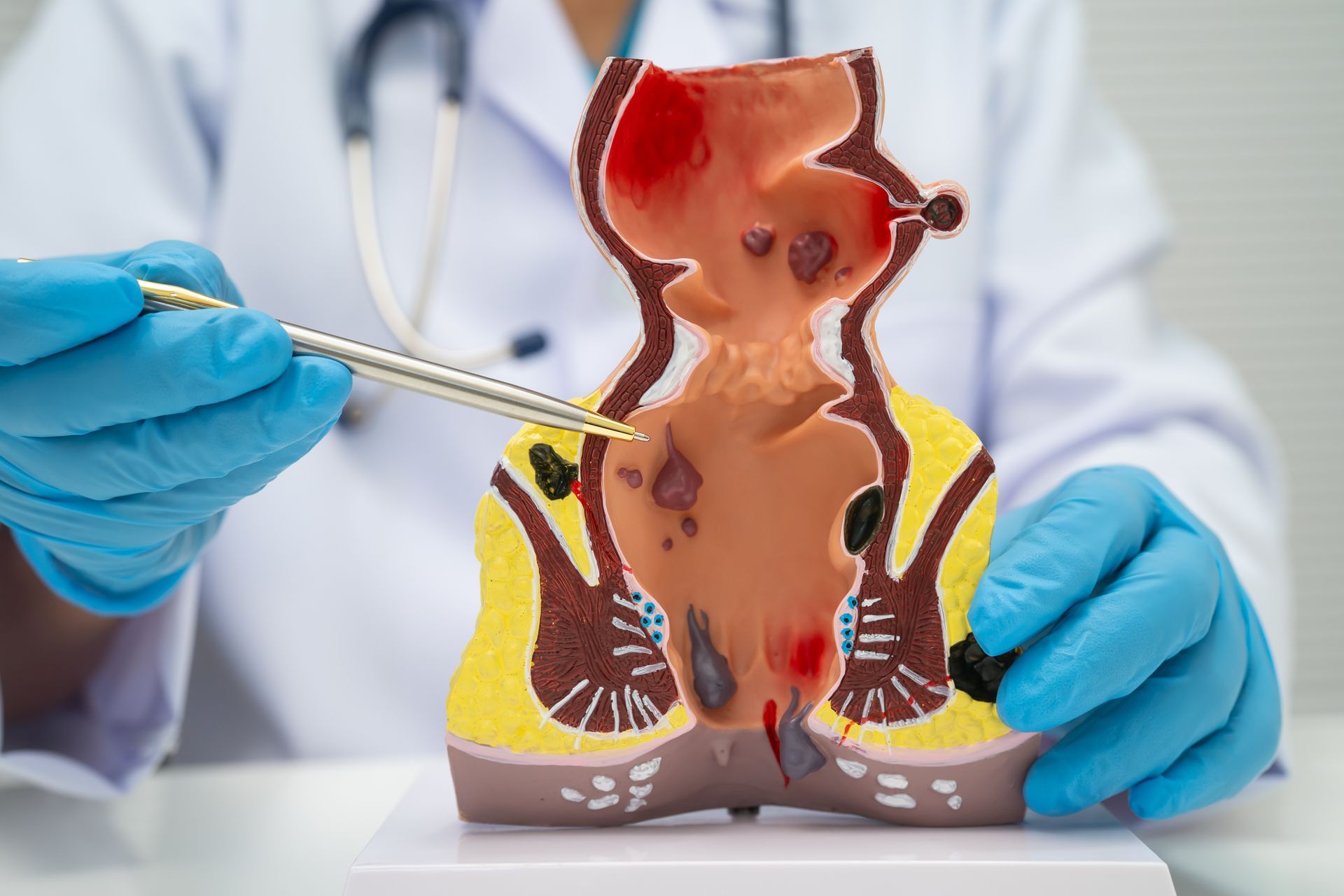
A rectal specialist focuses on diagnosing and treating conditions that affect the rectum, anus, and lower colon. These include hemorrhoids, anal fissures, skin tags, abscesses, and fistulas. Many patients wait too long before making an appointment, often because they feel embarrassed or unsure what the visit will involve.
Delaying care can allow conditions to get worse over time. This type of specialist is trained to handle these concerns with skill and sensitivity. Getting an evaluation early leads to better outcomes and faster relief.
Common Conditions That Bring Patients In
Patients seek this kind of care for a wide range of reasons. Some of the most common include:
• Rectal bleeding during bowel movements.
• Pain, itching, or pressure in the rectal area.
• Swelling, lumps, or protrusions around the anus.
• A feeling of incomplete bowel emptying.
• Chronic constipation or straining.
If you are experiencing any of these symptoms in the Portland area, scheduling an evaluation sooner rather than later is the right move.
What Happens at Your First Appointment
Your first visit will typically begin with a private consultation. You will be asked about your symptoms, medical history, and lifestyle habits. The questions may feel personal, but they help the doctor build a full picture of your health.
The Intake Process
Before you see the doctor, you will likely fill out intake paperwork. This covers your current symptoms, past medical issues, and any medications you take. Staff are trained to make this process feel comfortable and straightforward.
The clinic environment is designed to be respectful and judgment-free. Patients of all backgrounds and circumstances are welcomed with care. You can expect privacy throughout every step of your visit.
The Physical Examination
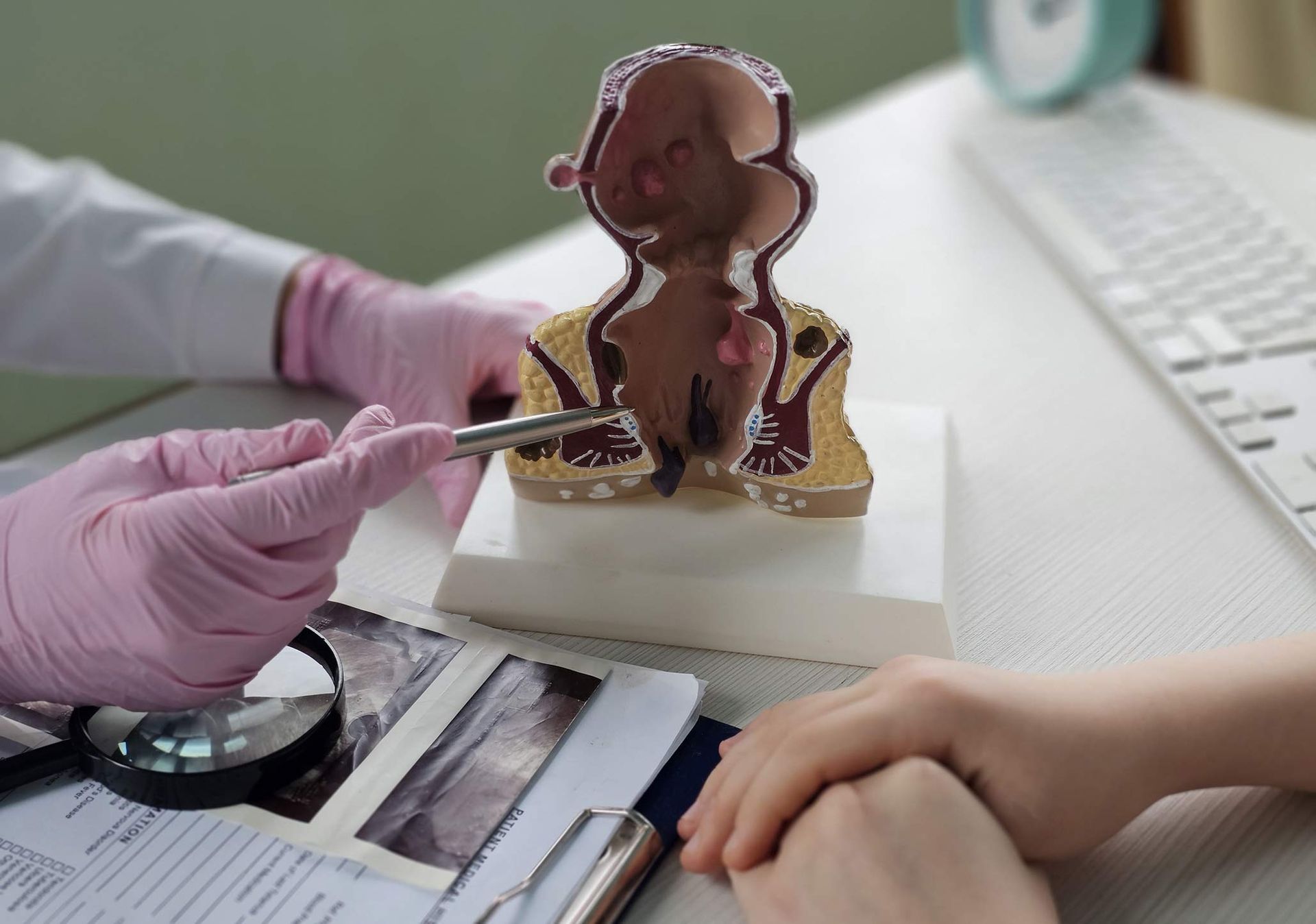
After your consultation, the rectal specialist will perform a brief physical exam. This is a standard part of the diagnostic process and is handled with care. The exam allows the doctor to visually and physically assess the affected area.
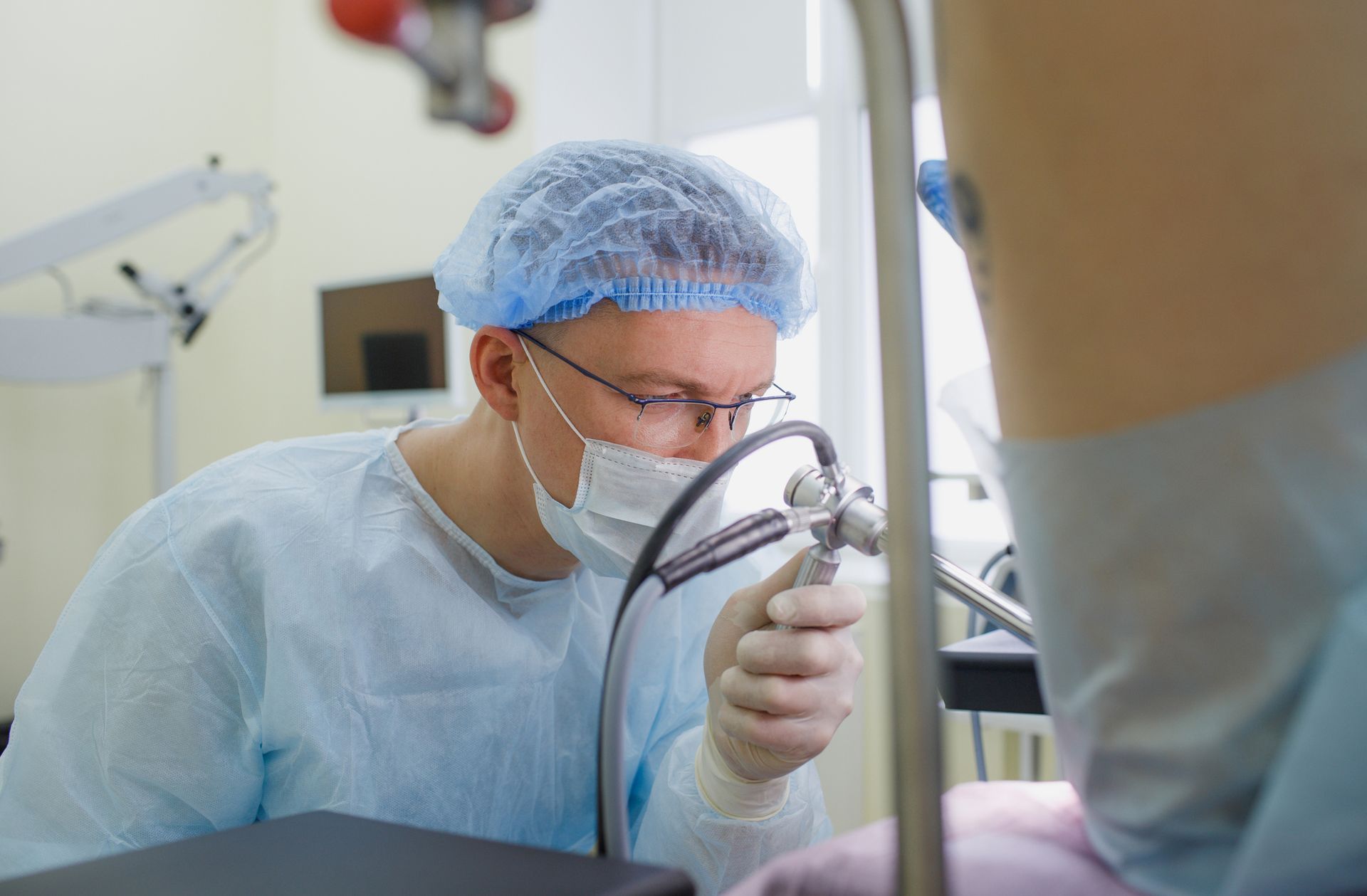
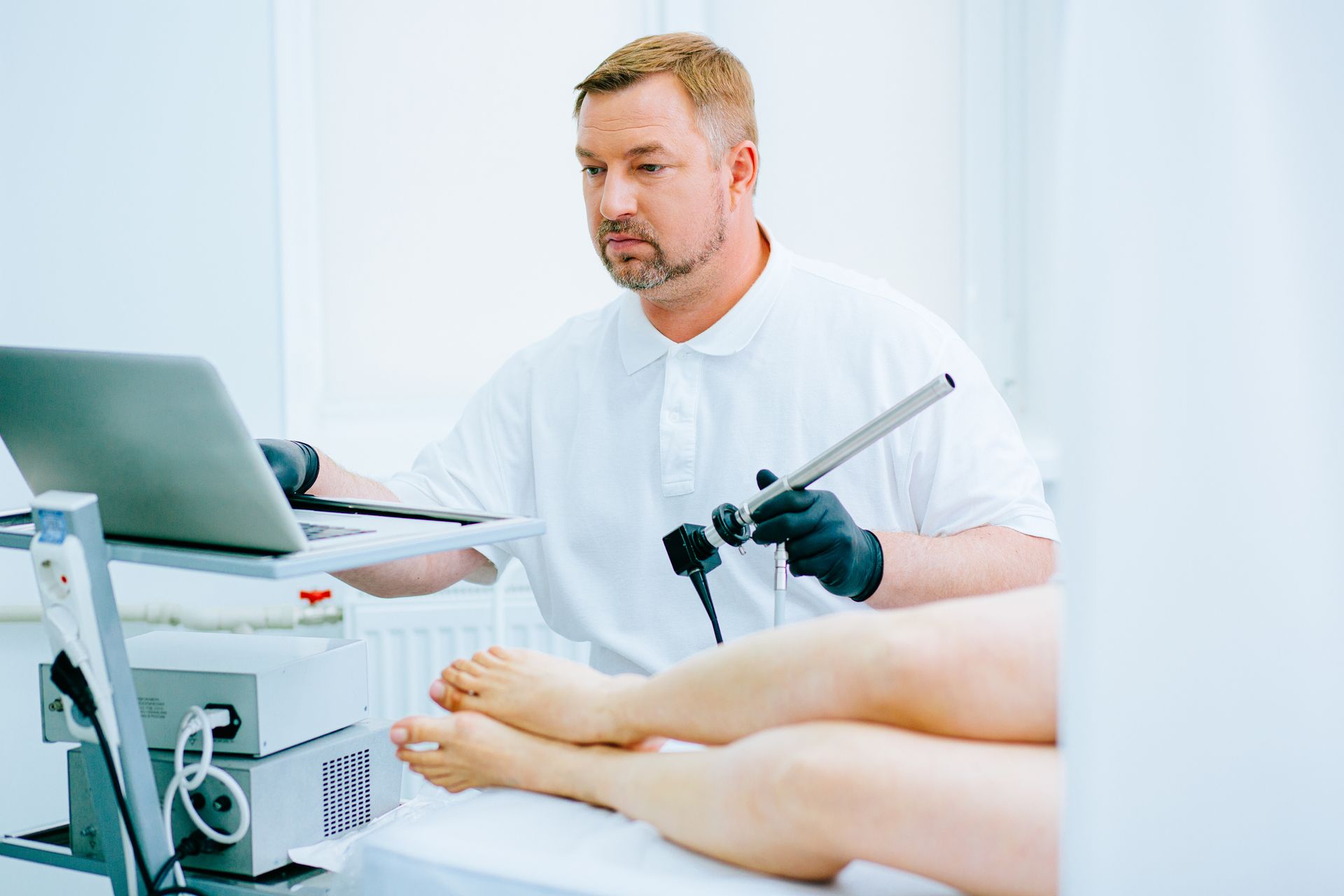
For internal concerns, a simple in-office procedure called an anoscopy may be used. This involves a small scope that allows the doctor to see inside the lower rectum. It is quick, usually painless, and takes only a few minutes.
How Diagnosis Works
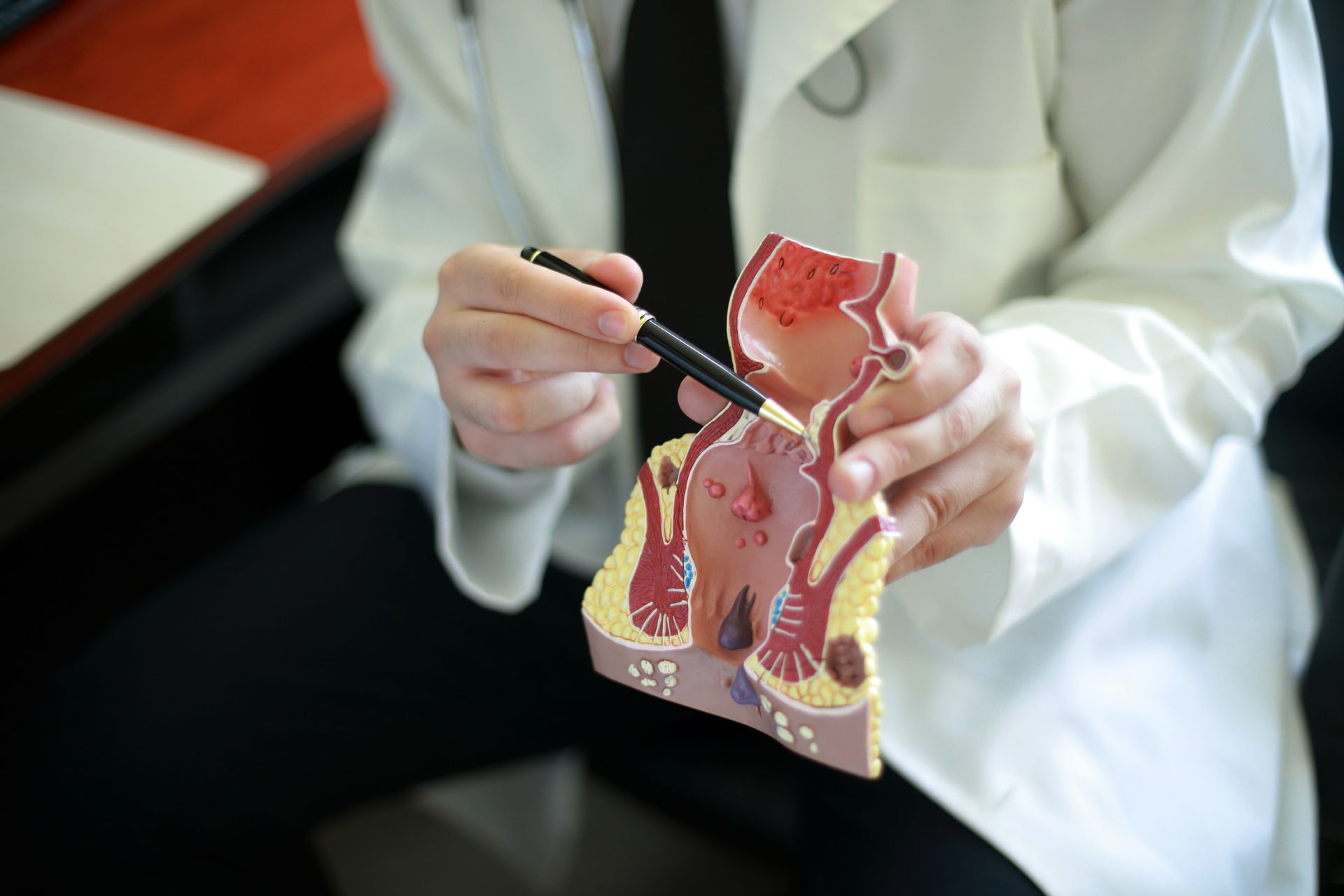
Accurate diagnosis is a key part of what a rectal specialist does. Many rectal and anorectal conditions share similar symptoms, so a proper exam is essential. Misdiagnosis can lead to ineffective treatment and ongoing discomfort.
After the exam, your doctor will explain what they found in plain language. They will walk you through your diagnosis and answer any questions you have. You will not be rushed or left confused about your condition.
Understanding Your Treatment Options
Once a diagnosis is made, your doctor will outline your treatment options. These may include non-surgical approaches, lifestyle changes, or in some cases, a surgical procedure. The goal is always to find the least invasive option that provides lasting relief.
Non-Surgical Treatments
Many rectal conditions can be resolved without surgery. Options like electrotherapy, infrared coagulation, and rubber band ligation are common in-office procedures. Most patients are able to return to their normal routine the same day.
One advanced technique used for internal hemorrhoids is electrotherapy, which uses a gentle electric current to shrink hemorrhoid tissue. This approach is minimally invasive and generally well-tolerated. Most patients experience little to no downtime after the procedure.
To learn more about what these procedures involve, visit the non-surgical hemorrhoid treatments page for detailed information.
When Surgery Is Recommended
Surgical treatment is typically reserved for severe or persistent cases. Surgery is only recommended when non-surgical options are unlikely to provide adequate relief. Procedures such as fissurectomies, skin tag removal, and fistulectomies are performed with care and precision.
Your doctor will fully explain any surgical recommendation before you make a decision. You will have time to ask questions and explore all available alternatives. The goal is always to give you confidence in your care plan.
What Recovery Looks Like
Recovery after rectal treatment depends on the type of procedure performed. For non-surgical in-office treatments, recovery is typically very short. Most patients notice improvement within a few days.
After treatment, your care team will provide clear instructions to support healing. Common guidance includes staying well-hydrated, increasing fiber intake, and taking warm baths. These simple steps can make a real difference in comfort and recovery speed.
Follow-up visits may be scheduled to monitor progress and make any needed adjustments. Your rectal specialist will stay involved in your care until your symptoms are fully resolved. Ongoing education about prevention is often part of the care plan as well.
What to Expect From the Clinic Environment
Clinics that specialize in rectal care understand the sensitive nature of these conditions. The staff is trained to treat every patient with dignity and respect. You will not be judged for your symptoms or for waiting to seek care.
In Portland, OR, patients can access compassionate rectal specialist care in a calm, professional setting. Appointments are private, and the team is committed to making the experience as easy as possible. Many patients report feeling relieved that they finally came in.
Preparing for Your Visit
A little preparation can help your appointment go smoothly. Here are a few simple steps to take beforehand:
• Write down your symptoms and when they started.
• Note any medications or supplements you currently take.
• List any past medical procedures related to the area.
• Bring your insurance information or be ready to discuss payment options.
• Arrive a few minutes early to allow time for paperwork.
Taking the First Step Toward Relief
Seeing a rectal specialist for the first time can feel daunting, but most patients leave feeling much better than they expected. The staff is experienced in helping patients feel at ease from the moment they walk in. Getting the right diagnosis and a clear treatment plan is the first step toward real relief.
If you are in the Portland area and have been putting off care, now is a good time to act. Symptoms rarely improve on their own, and early treatment leads to better results. There is no reason to keep dealing with discomfort when help is available. The Oregon Hemorrhoid Clinic is a trusted resource for patients throughout the Portland area who are ready to take that step.
Call
to schedule a consultation, or find the clinic on
The Oregon Hemorrhoid Clinic’s Google Business Profile to read patient reviews and get directions.