



Understanding GLP-1 Medications and Their Link to Constipation
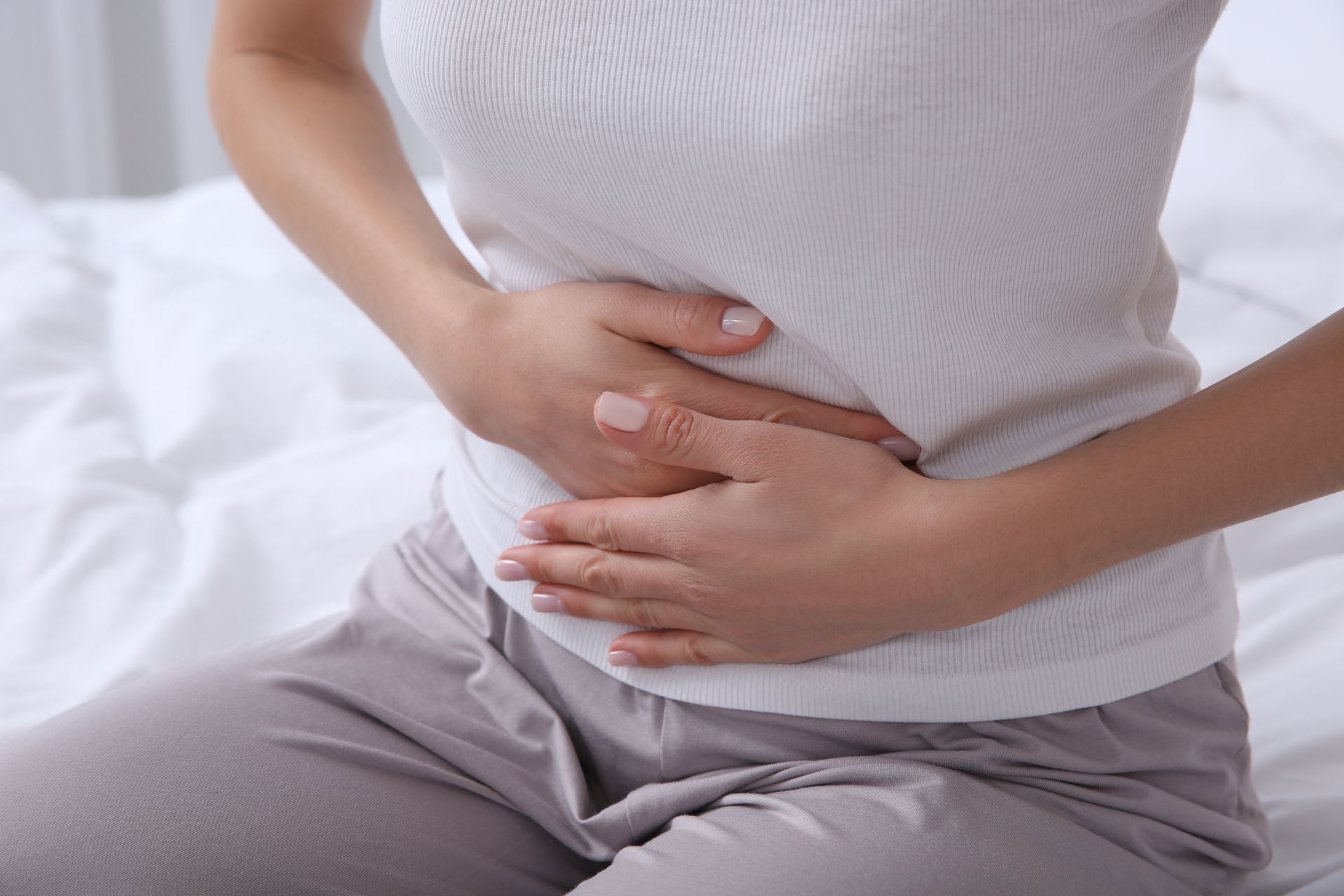
Are you taking a GLP-1 medication like Ozempic or Wegovy? You’re not alone; many in Oregon are, too. But, while these medications are powerful tools for health, there’s a common problem that nobody told you to expect: constipation.
If you’ve found yourself feeling bloated, uncomfortable, or struggling with fewer or more difficult bowel movements since starting your GLP-1, we want you to know it’s not just you. This is a challenge many face, and if left untreated, it can lead to pain, itching, bleeding, or even hemorrhoids.
At the Oregon Hemorrhoid Clinic, we know how to help you manage this problem so you can get back to feeling your best.
Ready to feel relief? Schedule your private consultation today!
Why Does GLP-1 Medication Cause Constipation?
GLP-1 medications work by slowing down your digestion, which is great for blood sugar control but not so great when it comes to regular bathroom habits. The food moves slower through your system, and your intestines don’t work as quickly. This leads to fewer bowel movements, drier and harder stools, and a build-up that gets more uncomfortable over time. Many patients come to us feeling frustrated, worried, and sometimes embarrassed. But we see this every day, and our mission is to make you feel at ease.
What Happens If Constipation Is Left Untreated?
Not only is constipation uncomfortable left unchecked, but it can turn into bigger problems. Straining in the bathroom can lead to internal hemorrhoids, which bring an entirely new set of frustrations: pain, itching, bleeding, and endless discomfort. Some people also develop skin tags, fissures, or other rectal issues that get worse the longer they are ignored.
Common Signs You May Have GLP-1-Related Constipation
Not sure if your medication is causing constipation? Here’s what to watch for:
You have fewer than three bowel movements per week.
Stools are often hard, dry, or lumpy.
Passing a bowel movement is painful or takes longer than before.
You feel like your bowels aren’t completely empty, even after going.
You’re spending more time on the toilet, needing to push or strain.
You notice bleeding, itching, or new irritation after a bowel movement.
You feel uncomfortably full, bloated, or pressured in your lower belly.
If you nodded “yes” to any of these, you are not alone. Many people on GLP-1 medications experience these problems. At the Oregon Hemorrhoid Clinic, we help you manage constipation and address any issues before they become bigger problems. Let’s work together to find relief and get you comfortable again.
Don’t wait for constipation to get worse. Book your appointment and get expert help today.