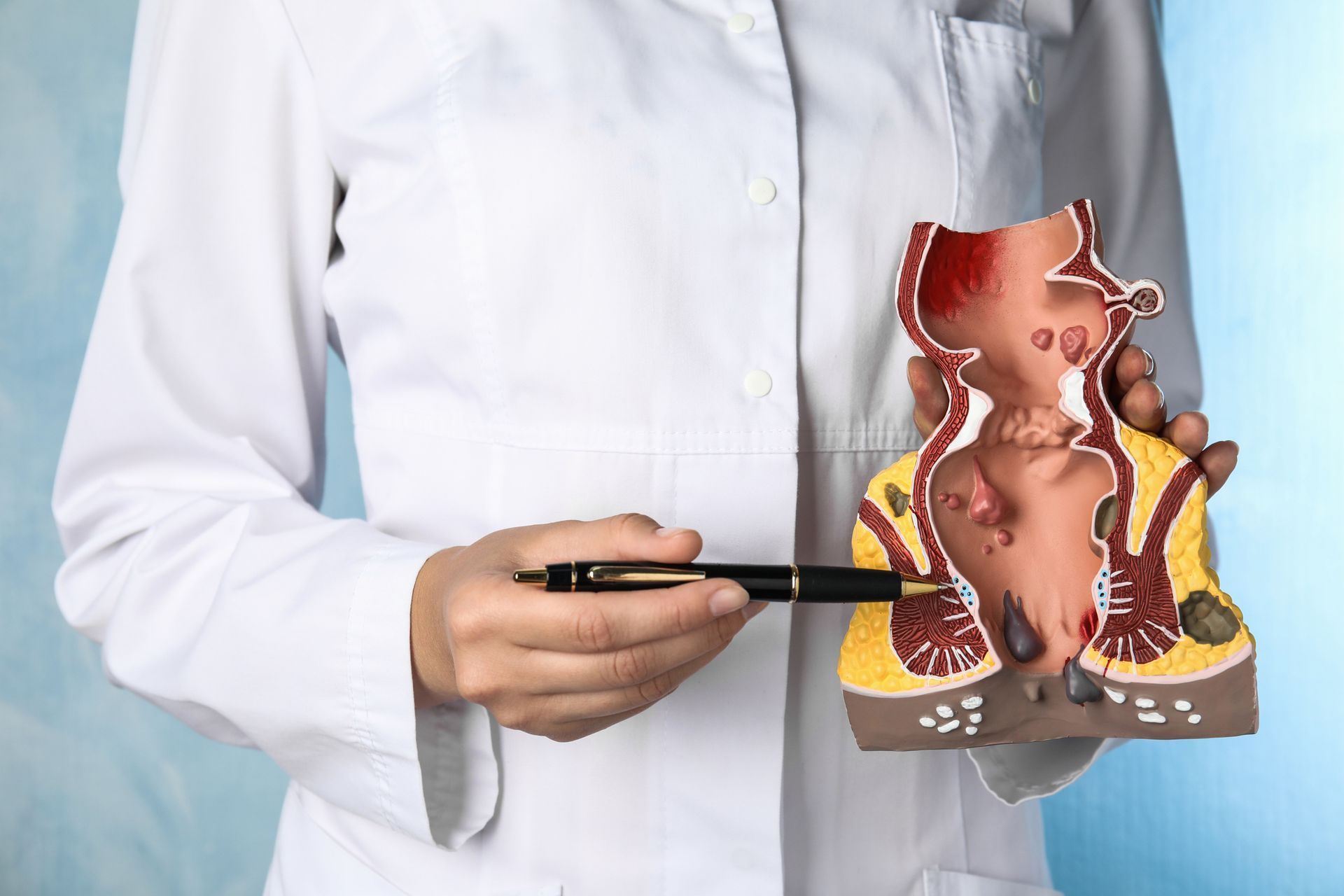



What Conditions Does a Rectal Specialist Treat? A Vancouver, WA, Patient Guide for 2026
A rectal specialist treats a range of anorectal conditions beyond hemorrhoids, and Vancouver residents have more options than many people realize when symptoms become too persistent to ignore. This guide covers the most common conditions this type of specialist can assess and treat, so you can make an informed decision about your care.
What Conditions Does a Rectal Specialist Treat?
An anorectal specialist can diagnose and treat a wide variety of conditions, not just hemorrhoids. Many patients are surprised to learn how broad this scope of care actually is. Understanding what falls under this specialty can help you seek care sooner rather than waiting until symptoms worsen.
Internal and External Hemorrhoids
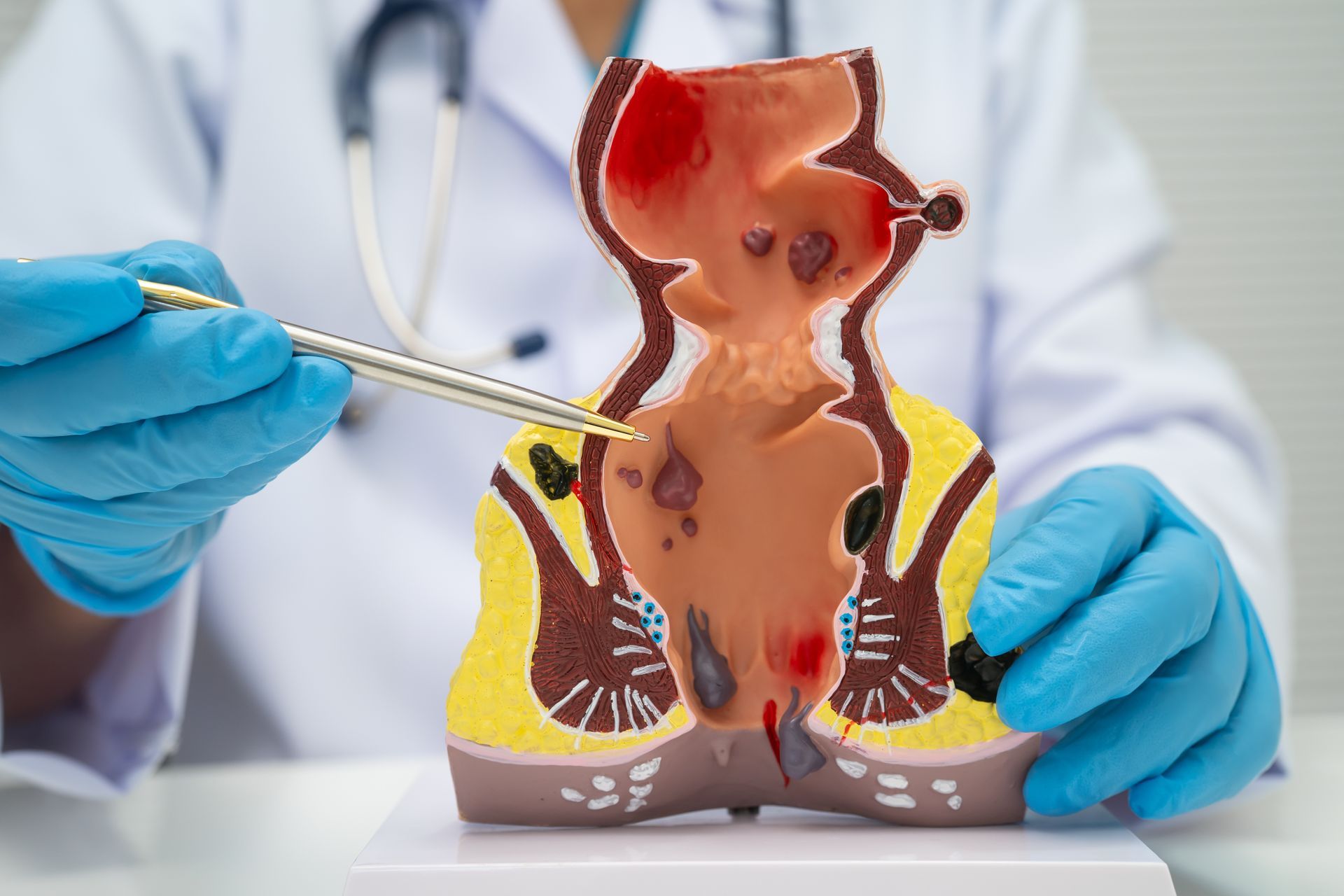
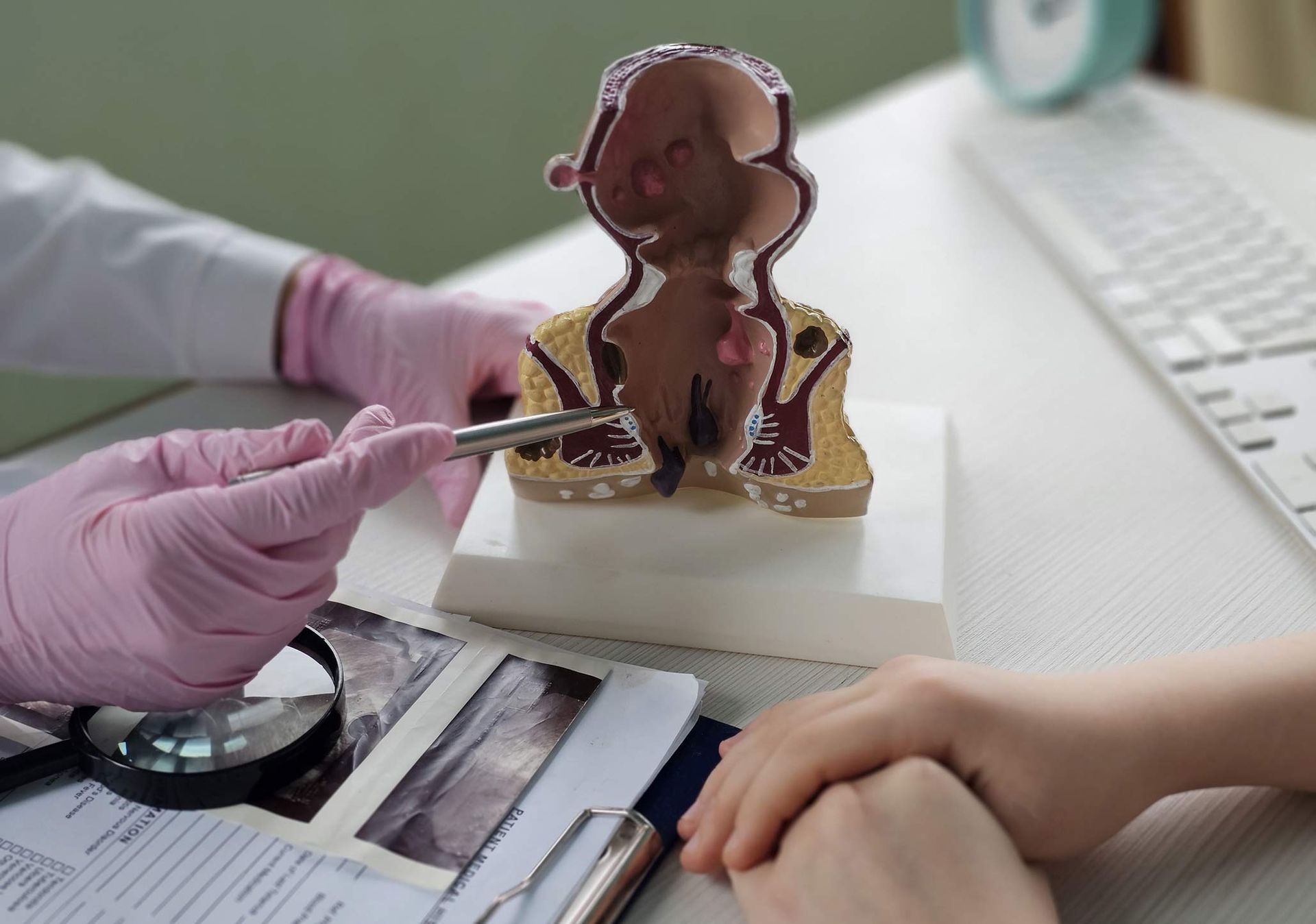
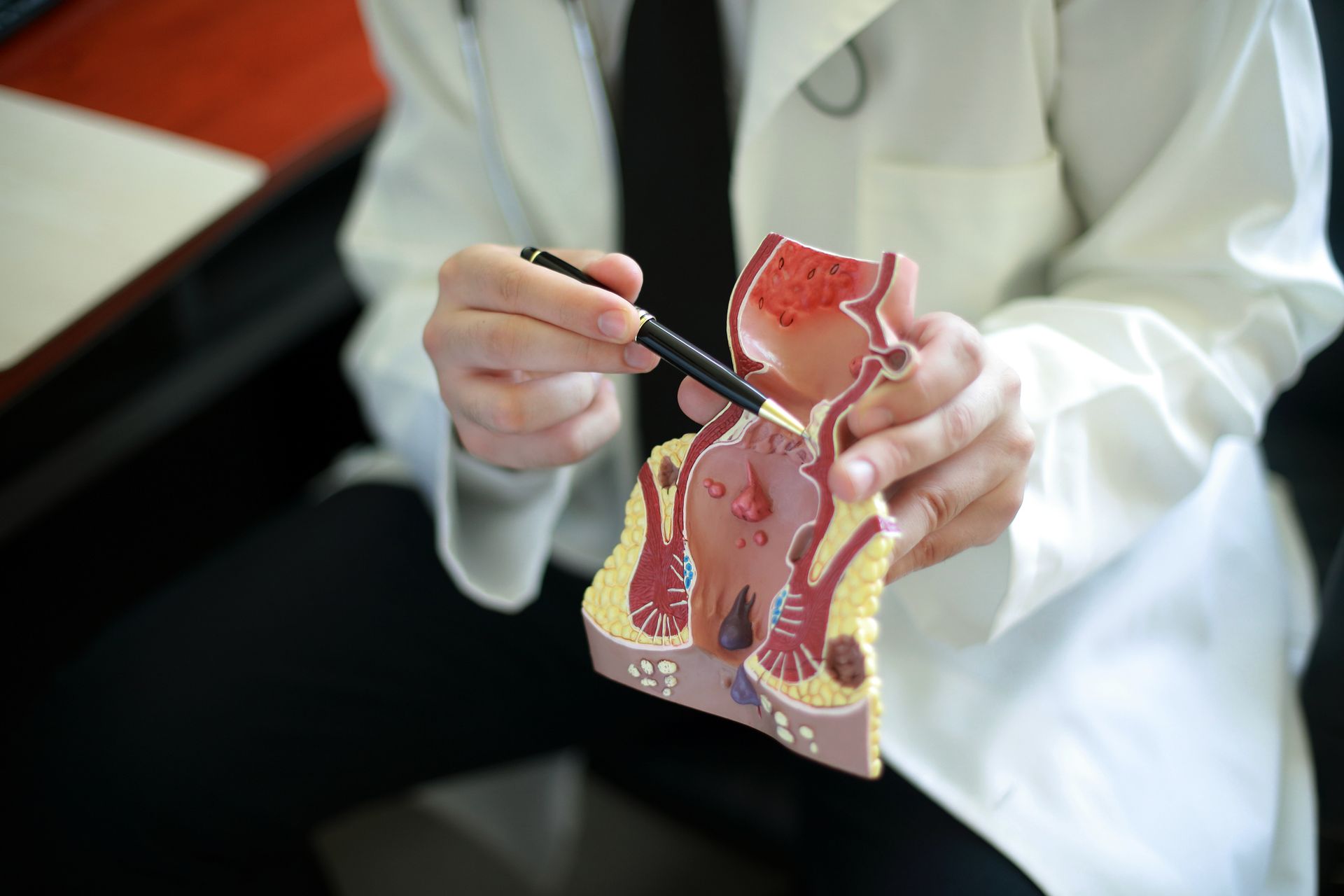
Hemorrhoids are the most well-known condition this type of provider handles. They occur when vascular tissue inside or around the rectal canal becomes swollen or inflamed due to increased pressure. Internal hemorrhoids can range from mild to advanced, and in severe cases they may prolapse outside the rectum. External hemorrhoids can form blood clots, causing sudden and intense discomfort. Both types may respond well to non-surgical approaches, though surgical options are also available when needed. Learn more on the hemorrhoid treatments page.
Common triggers include chronic straining during bowel movements, prolonged sitting, pregnancy, and a low-fiber diet.
Anal Fissures
An anal fissure is a small tear in the lining of the anal canal that causes sharp pain during or after a bowel movement and sometimes light bleeding. Fissures are often mistaken for hemorrhoids because the symptoms overlap. Left untreated, fissures can become chronic and much harder to resolve. Dedicated anal fissure treatment may include non-surgical and surgical approaches such as a fissurectomy.
Anorectal Abscesses and Fistulas
An anorectal abscess is a painful pocket of infection near the anus or rectum that typically causes throbbing pain, swelling, and sometimes fever. When an abscess does not heal properly, it can develop into a fistula, an abnormal tunnel connecting the anal canal to the skin. Our clinic can evaluate and surgically treat both conditions. Procedures like fistulectomies are part of the broader anorectal condition treatment options available.
Signs that may point to an abscess or fistula include persistent or worsening pain near the anus, a lump or swelling that does not resolve, drainage or discharge near the anal opening, and recurring infections in the same area.
Rectal Prolapse
Rectal prolapse happens when part of the rectum slips outside the body through the anal opening. It may first appear only during bowel movements, then become more frequent over time. An experienced provider can assess the severity and discuss the most appropriate course of action.
Skin Tags and Papillae
Anal skin tags are small, soft flaps of skin near the anal opening that can cause irritation or hygiene issues. Hypertrophied anal papillae are small growths inside the anal canal that can feel like a lump or cause a sensation of fullness. Both conditions are commonly mistaken for hemorrhoids. A rectal specialist can confirm the diagnosis and perform removal procedures when needed.
Coccyx and Tailbone Pain
Tailbone pain, known as coccydynia, can develop after an injury, childbirth, or prolonged sitting. This type of pain is often undertreated with standard approaches. A rectal specialist with training in coccydynia may offer more focused evaluation and treatment options for lasting relief.
Constipation and Bowel Health
Chronic constipation puts ongoing strain on the entire anorectal area and can contribute to or worsen many of the conditions listed above. A rectal specialist can help identify what is driving constipation and suggest solutions that reduce strain and protect long-term rectal health. Factors reviewed may include dietary fiber and fluid intake, straining patterns, medication effects, and underlying contributing conditions.
When Should Residents See a Rectal Specialist?
Patients serving Vancouver should consider specialized anorectal care when symptoms have lasted more than a few days or are disrupting daily life. Rectal bleeding, persistent pain, lumps, or unusual discharge are all reasons to seek a professional opinion. Delaying care may allow conditions to progress into more complex problems. You do not need a referral to begin exploring your options, and many patients find that a single evaluation provides clarity and a clear plan forward.
What to Expect at Your First Visit
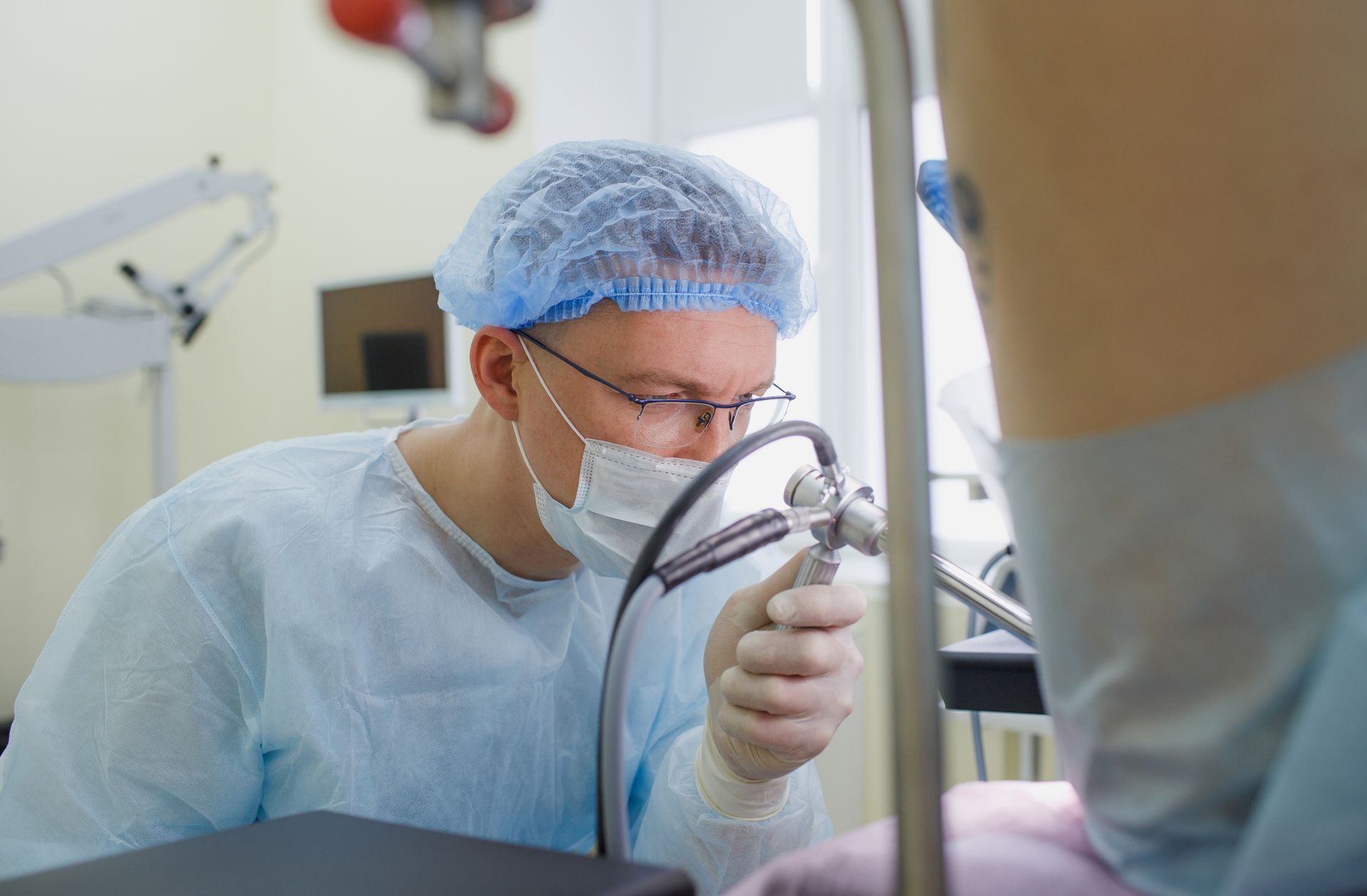
A first visit with a rectal specialist is typically calm and straightforward. The specialist will review your symptoms, ask about your health history, and may perform a quick exam using an anoscope to view the internal tissue. Most exams are brief and designed with patient comfort in mind. You should expect a judgment-free environment where your concerns are taken seriously.
Ready to Get Expert Care?
We understand that rectal symptoms can feel embarrassing to bring up, but we are here to help. Our team provides comprehensive anorectal care in a respectful, supportive setting and welcomes patients serving Vancouver, WA, and the surrounding region. Whether you are dealing with hemorrhoids, fissures, skin tags, or something less familiar, we can help you find answers and relief.
Call us today at (503) 786-7272 or visit our rectal specialist page for Vancouver to learn more. The Oregon Hemorrhoid Clinic is ready to support you with experienced, personalized care.
To read patient reviews, check out
The Oregon Hemorrhoid Clinic on Google and see why patients across the region trust us for anorectal care.